Self-Portrait Photography for Mental Health in Charlotte
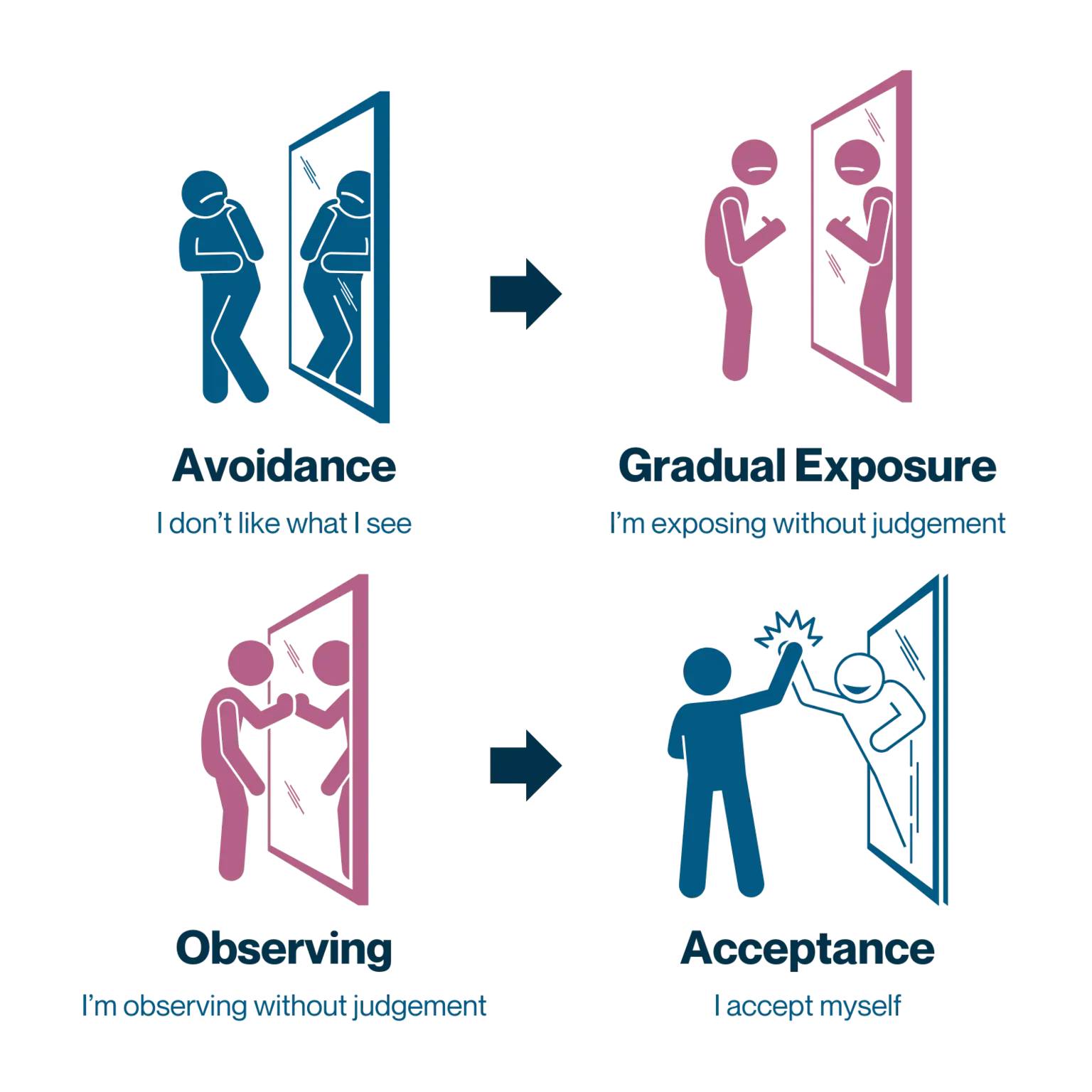
In Charlotte's fast-paced environment, where mental health challenges are increasingly prevalent among residents, a revolutionary approach to personal growth and psychological wellbeing is emerging through the therapeutic power of photography. Recent studies demonstrate that phototherapy, particularly self-portrait photography, offers profound benefits for self-acceptance, body image healing, and emotional resilience. For Charlotte residents seeking a safe, accessible path to better mental health, self-portrait studios represent a groundbreaking intersection of technology, psychology, and personal empowerment.
The mental health landscape in Charlotte reveals an urgent need for innovative therapeutic approaches. According to the 2021 Charlotte-Mecklenburg Youth Risk Behavior Survey, approximately 43% of teens reported not doing regular activities because they felt sad or hopeless almost every day for two weeks or more. Additionally, 32% of teens reported that their mental health was most of the time or always not good, indicating widespread psychological distress that extends beyond adolescence into adult populations. These statistics underscore the critical importance of accessible, effective interventions that can complement traditional therapy approaches.
Table of Contents
- The Science Behind Phototherapy: Evidence-Based Healing
- The Unique Advantages of self-portrait studios
- Personal Growth Through Lens-Mediated Self-Discovery
- Charlotte-context-addressing-local-mental-health-needs">The Charlotte Context: Addressing Local Mental Health Needs
- Implementing Self-Portrait Therapy: Best Practices and Outcomes
- The Future of Mental Health: Photography as Preventive Medicine
- Charlotte">Conclusion: Embracing Visual Healing in Charlotte
- Frequently Asked Questions (FAQ)
The Science Behind Phototherapy: Evidence-Based Healing
Neurological Foundations of Visual Self-Perception
Research published in Psychological Science reveals that our mental self-portraits contain crucial clues about our personalities and psychological wellbeing. When individuals engage in structured photographic self-exploration, they activate neural pathways associated with self-reflection, emotional regulation, and identity formation. The therapeutic value of photography has been demonstrated through multiple clinical studies, showing significant reductions in anxiety levels and improvements in self-esteem.
A groundbreaking study involving 86 participants found that combining self-compassion exercises with mirror exposure significantly increased soothing positive affect and heart rate variability, indicating improved emotional regulation. This research suggests that looking at oneself through a photographic lens, similar to mirror exposure therapy, can enhance self-acceptance and reduce self-criticism.
The Psychology of Self-Portrait Creation
Self-portrait photography operates on several psychological levels that traditional therapy may not address. When individuals create their own images, they experience what researchers call "visual self-ownership", a process where regular photographic self-documentation helps people "claim" their bodies and accept their physical forms. This phenomenon addresses the common disconnect many people feel between their internal self-perception and external appearance.
Dr. Neil Gibson's research on therapeutic photography emphasizes that the medium allows for "externalizing and objectifying issues". By capturing aspects of themselves in photographs, individuals can literally hold their experiences at arm's length, study them objectively, and explore personal narratives from a new perspective. This process particularly benefits those struggling with body image disorders, depression, and anxiety-related conditions.
The Unique Advantages of self-portrait studios
Creating Psychological Safety Through Environmental Control
Traditional photography sessions can trigger significant anxiety for many individuals. Research indicates that photography anxiety stems from childhood traumas, social pressure, and fear of judgment. self-portrait studios address these concerns by eliminating the most stress-inducing element: the presence of another person behind the camera.
The controlled environment of a self-portrait studio offers several therapeutic advantages:
Privacy and Autonomy: Clients have complete control over their session, allowing them to explore expressions and poses without external judgment. This privacy creates what psychologists term a "transitional space", where individuals can safely experiment with self-presentation.
Unlimited Exploration: Unlike traditional sessions with time constraints and photographer expectations, self-portrait studios enable unlimited shots and extensive experimentation. This freedom allows for authentic self-discovery without performance pressure.
Immediate Feedback: Modern self-portrait studios provide instant image review through connected screens, enabling real-time adjustment and immediate gratification. This instant feedback loop accelerates the therapeutic process by allowing immediate positive reinforcement.
The Mirror Magic: Neurological Benefits of Self-Reflection
The integration of mirrors in self-portrait studios serves a crucial psychological function beyond mere pose monitoring. Research demonstrates that mirror exposure combined with positive self-talk significantly enhances therapeutic outcomes. The "magic mirror" effect in self-portrait studios creates a unique therapeutic environment where clients can:
Practice Self-Compassion: Studies show that speaking kindly to oneself while looking in a mirror increases soothing positive emotions and physiological markers of compassion. This practice directly counteracts negative self-talk patterns that contribute to anxiety and depression.
Reduce Body Dysmorphia: Regular mirror exposure in a controlled, positive environment helps individuals develop more accurate body image perceptions. For those experiencing body image distortion, structured mirror interaction can recalibrate self-perception toward reality.
Build Emotional Resilience: The combination of visual self-exposure and controlled environment helps individuals develop tolerance for self-observation, a crucial skill for emotional regulation.
Personal Growth Through Lens-Mediated Self-Discovery
Identity Exploration and Authentic Self-Expression
Self-portrait photography facilitates what researchers call "identity archaeology", the process of uncovering and examining different aspects of the self. Unlike posed portraits directed by others, self-portraits allow individuals to explore questions like "Who am I?" and "How do I want to be seen?" without external influence.
A study of therapeutic photography participants found that the medium enables individuals to shift from pathologizing language to personalizing lived experiences. Instead of describing themselves through medical or diagnostic terms, participants began using creative, personal expressions that reflected their authentic identities. This linguistic shift indicates deeper psychological healing and self-acceptance.
Processing Trauma and Difficult Emotions
Photography serves as a non-verbal communication tool for individuals struggling to articulate difficult experiences. Research indicates that experiences of mental distress are often difficult to verbalize, making visual expression particularly valuable for processing trauma and complex emotions.
The therapeutic photography process allows individuals to:
Externalize Internal States: By creating visual representations of emotions, individuals can examine their feelings objectively rather than being overwhelmed by them. This externalization process is particularly beneficial for those with anxiety, depression, and PTSD.
Create Healing Narratives: Through self-portraiture, individuals can construct new stories about themselves, moving from victim narratives to empowerment stories. This narrative reconstruction is essential for trauma recovery and personal growth.
Develop Emotional Vocabulary: Visual creation often reveals emotional nuances that words cannot capture, helping individuals develop richer emotional awareness and expression.
Charlotte-context-addressing-local-mental-health-needs">The Charlotte Context: Addressing Local Mental Health Needs
Community-Specific Benefits
Charlotte's diverse population faces unique mental health challenges that self-portrait studios can specifically address. The city's rapid growth and economic pressures contribute to social isolation and identity confusion, particularly among young professionals and transplants seeking community connection.
self-portrait studios offer several community-specific advantages:
Accessibility: Unlike traditional therapy, which may have long waiting lists or insurance barriers, self-portrait studios provide immediate access to therapeutic benefits. This accessibility is crucial given Charlotte's understaffed mental health infrastructure.
Cultural Sensitivity: self-portrait studios allow individuals from diverse backgrounds to explore their identities without cultural misunderstanding or bias from external photographers. This autonomy is particularly valuable for LGBTQ+ individuals and cultural minorities who may face discrimination in traditional settings.
Professional Development: For Charlotte's business community, professional self-portrait sessions can build confidence and self-efficacy, essential skills for career advancement. The therapeutic benefits extend beyond personal healing to professional growth.
Addressing Specific Demographics
Charlotte's mental health statistics reveal particular vulnerabilities among certain populations that self-portrait studios can effectively serve:
Adolescents and Young Adults: With 22.3% of North Carolina high school students considering suicide and rising mental health diagnoses among youth, accessible therapeutic interventions are crucial. self-portrait studios provide a non-stigmatized entry point into mental health support for young people comfortable with technology.
Working Professionals: Charlotte's competitive business environment contributes to stress and anxiety among working adults. Self-portrait sessions can serve as stress management tools and confidence builders, particularly valuable for networking and professional presentation skills.
Isolated Individuals: For those experiencing social anxiety or isolation, self-portrait studios offer a gradual exposure therapy approach. Individuals can practice social interaction skills and build confidence in a completely private setting before engaging with others.
Implementing Self-Portrait Therapy: Best Practices and Outcomes
Session Structure and Therapeutic Process
Effective self-portrait therapy follows specific protocols that maximize therapeutic benefits while ensuring client safety and comfort. Research-based best practices include:
Preparation Phase: Clients begin with mindfulness exercises and intention setting to center themselves and identify session goals. This preparation reduces anxiety and enhances therapeutic outcomes.
Exploration Phase: The core session involves unlimited experimentation with poses, expressions, and self-presentation styles. This exploration phase allows for authentic self-discovery and creative expression.
Integration Phase: Post-session image review and reflection help clients process their experience and identify insights gained. This integration is crucial for translating visual exploration into lasting psychological change.
Measurable Outcomes and Benefits
Clinical research demonstrates specific, measurable benefits from therapeutic self-portrait photography:
Improved Self-Esteem: Studies show significant increases in self-esteem scores following therapeutic photography interventions. Participants report feeling more confident and self-accepting after regular self-portrait practice.
Reduced Anxiety: Controlled trials indicate measurable reductions in anxiety levels among participants using photography for therapeutic purposes. The combination of creative expression and positive self-exposure effectively counters anxiety symptoms.
Enhanced Body Image: Research reveals improved body image perception and reduced body dissatisfaction among individuals engaging in regular self-portrait photography. This improvement is particularly significant for those with body dysmorphia or eating disorders.
Increased Emotional Regulation: Physiological markers indicate improved heart rate variability and stress response among therapeutic photography participants. These changes suggest enhanced emotional regulation capacity and resilience.
The Future of Mental Health: Photography as Preventive Medicine
Accessibility and Scalability
self-portrait studios represent a scalable mental health intervention that can complement traditional therapy without requiring extensive professional training or resources. This scalability is particularly important given Charlotte's mental health provider shortage and growing population needs.
The technology-enabled approach allows for:
24/7 Availability: Unlike traditional therapy appointments, self-portrait studios can operate extended hours, providing immediate access during mental health crises or emotional needs.
Cost-Effectiveness: Self-portrait sessions typically cost significantly less than traditional therapy while providing immediate benefits and unlimited usage. This affordability makes mental health support accessible to broader population segments.
Preventive Intervention: Regular self-portrait practice can serve as ongoing mental health maintenance, preventing minor issues from escalating into serious conditions requiring intensive intervention.
Integration with Traditional Treatment
Self-portrait therapy works most effectively when integrated with comprehensive mental health care. Research indicates that phototherapy combined with traditional treatments produces superior outcomes compared to either approach alone. Mental health professionals increasingly recognize visual therapies as valuable adjunctive treatments that enhance traditional therapeutic modalities.
Charlotte">Conclusion: Embracing Visual Healing in Charlotte
As Charlotte continues to grow and evolve, innovative approaches to mental health support become increasingly essential. Self-portrait photography offers a unique combination of accessibility, effectiveness, and empowerment that addresses the specific needs of our community's diverse population.
The research is clear: therapeutic photography provides measurable benefits for self-esteem, anxiety reduction, body image healing, and emotional regulation. For Charlotte residents seeking personal growth, healing, and authentic self-expression, self-portrait studios offer a safe, private space for transformative self-discovery.
In a world where mirrors often reflect our harshest critics, self-portrait photography allows us to become our own compassionate observers. Through the lens of therapeutic photography, Charlotte residents can discover not just how they look, but who they truly are beneath the surface. This visual journey toward self-acceptance and personal growth represents the future of accessible, effective mental health support in our thriving community.
The mirror of healing awaits. The question is not whether you're ready to see yourself differently, but whether you're ready to discover the powerful, authentic person who has been there all along.
Frequently Asked Questions (FAQ)
How does self-portrait photography help with mental health?
Self-portrait photography activates neural pathways associated with self-reflection, emotional regulation, and identity formation. It helps individuals develop self-acceptance, reduce self-criticism, and process difficult emotions through visual expression.
Is this a replacement for traditional therapy?
No, self-portrait photography is most effective as an adjunctive treatment alongside traditional therapy. It complements existing mental health care by providing a safe space for self-exploration and visual expression.
What mental health conditions can this help with?
Research shows benefits for anxiety, depression, body image disorders, PTSD, and general self-esteem issues. The visual externalization process is particularly helpful for those who struggle to verbalize their experiences.
Do I need photography experience?
Not at all! self-portrait studios are designed for everyone, regardless of experience level. The technology is intuitive, and the focus is on the therapeutic process, not technical skills.
How private is the experience?
Completely private. You're alone in the studio with no photographer or other people present. This privacy is essential for the therapeutic benefits and allows for authentic self-exploration.
How often should I do this for mental health benefits?
While even a single session can provide benefits, regular sessions (monthly or bi-weekly) tend to produce the most significant and lasting improvements in self-esteem and emotional regulation.
Ready to experience the healing power of self-portrait photography? Book your private session at HQ Portraits and discover the transformative benefits of therapeutic photography in Charlotte's premier self-portrait studio.
Ready to Experience It Yourself?
Book your private portrait session at Charlotte's first self-portrait studio. 24-hour delivery, unlimited photos (up to 2,700 included*), from $79.
Book Your Session Now